
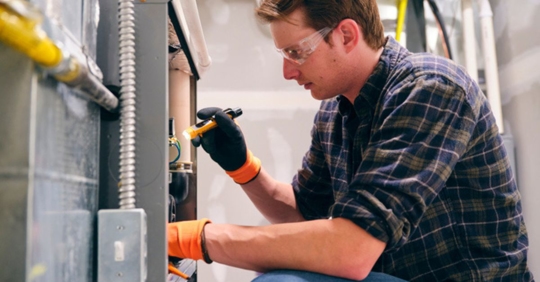
Upgrading your heating system might seem like a major decision, but recognizing the warning signs early can save you from costly repairs, high utility bills, and discomfort when temperatures drop. In Las Vegas, where winters are mild but unpredictable, a dependable, efficient heating system ensures your home stays comfortable without wasting energy.
Whether your system is struggling to keep up, costing you more each month, or showing signs of wear and tear, it’s worth taking a closer look. Here are the key indicators that it may be time to consider an upgrade—and how (725) 215-3764 can help you find the right solution for your home.
1. Declining Heating Performance
When your heating system no longer performs like it used to, it’s often a sign that something deeper is going on. Poor performance doesn’t just affect comfort—it impacts your wallet, too.
Rising Energy Bills
If you’ve noticed your heating bills climbing despite similar usage, your system may be losing efficiency. Over time, motors, heat exchangers, and other internal components wear down, forcing your system to work harder to deliver the same warmth.
Watch for these signs:
- Unexpected increases in monthly energy costs
- Longer run times before reaching your desired temperature
- The need to set your thermostat higher just to stay comfortable
Replacing an inefficient system with a modern, energy-efficient model can immediately lower operating costs and provide more consistent comfort throughout your home.
Uneven Heating
Walking through your home shouldn’t feel like stepping between different climates. Cold spots or temperature swings from room to room often mean your system can’t distribute heat evenly anymore.
Uneven heating can stem from:
- An undersized or aging furnace
- Ductwork leaks or blockages
- Failing blower motors or fans
A professional assessment from (725) 215-3764 can pinpoint whether these issues can be repaired—or if your home would benefit from a properly sized, high-efficiency replacement system.
Frequent Repairs
If you’re calling your HVAC technician several times a year, your system may be nearing the end of its lifespan. Constant repairs not only add up financially but also create ongoing inconvenience.
While a single repair might be manageable, repeated breakdowns are often a signal that key components are wearing out simultaneously. In many cases, investing in a new system can save thousands of dollars over time while delivering improved comfort and peace of mind.
2. Your System’s Age
Heating systems aren’t built to last forever. Even with proper maintenance, age eventually takes a toll on performance and efficiency.
Nearing the End of Its Lifespan
Most furnaces and boilers are designed to last between 15 and 20 years. After that, efficiency typically declines, and parts become harder to find. As systems age, they also tend to consume more energy and are more susceptible to costly breakdowns.
If your system is approaching or past the 15-year mark, it’s smart to start exploring your options. Upgrading before a complete failure ensures you have time to choose a system that fits your home, budget, and long-term needs—rather than rushing into a replacement during an emergency.
Missing Out on Modern Technology
The HVAC industry has advanced rapidly in recent years, and today’s systems offer impressive new features designed to improve comfort, safety, and energy use.
Modern heating systems often include:
- Smart thermostats for precise, programmable control
- Zoning systems that allow you to heat specific areas instead of the entire home
- Variable-speed motors that adjust automatically to maintain steady temperatures
These technologies not only enhance comfort but can also reduce energy waste, translating to significant savings on monthly bills.
3. Noticeable Changes in Air Quality
Your heating system does more than just warm the air—it also affects indoor air quality. When it starts to struggle, you might notice subtle changes that impact how your home feels and how healthy it is to breathe.
More Dust or Allergens
Older systems can have deteriorating filters, duct leaks, or inefficient blowers that allow dust and allergens to circulate freely. If you’ve been dusting more often or noticing aggravated allergies, your heating system could be the culprit.
A modern system with high-efficiency filters or built-in air purification can dramatically improve indoor air quality by capturing dust, dander, and other airborne irritants.
Strange Noises or Odors
Clanking, rattling, or squealing noises are often signs of worn bearings or loose components. Meanwhile, musty or burning odors could point to mold growth, electrical issues, or a failing motor.
These aren’t just annoyances—they can be early warnings of serious mechanical problems. Replacing an aging system eliminates these concerns and restores quiet, dependable comfort.
4. Safety Concerns
Heating systems are generally safe when maintained properly, but aging equipment can pose hidden hazards that should never be ignored.
Carbon Monoxide Risks
Older furnaces with cracked heat exchangers or poor ventilation can leak carbon monoxide (CO)—a colorless, odorless gas that can be deadly in high concentrations. Newer systems are designed with enhanced safety features to prevent CO leaks and include sensors and automatic shutoffs that protect your household.
Ignition or Pilot Light Problems
Frequent pilot light outages or ignition malfunctions can indicate deeper mechanical issues such as faulty gas valves or worn-out sensors. Left unchecked, these problems not only reduce reliability but can also increase safety risks. Upgrading to a modern furnace ensures a safer, more stable heating experience all winter long.
5. Considering the Environment
Upgrading your heating system isn’t just about comfort—it’s also a step toward sustainability. Energy-efficient systems reduce environmental impact while lowering your energy bills.
Efficiency Ratings Matter
Modern furnaces are rated by their AFUE (Annual Fuel Utilization Efficiency) score. The higher the rating, the more efficiently the system converts fuel into heat. Many of today’s models exceed 95% AFUE, meaning almost all the fuel consumed is used to heat your home rather than wasted as exhaust.
Benefits include:
- Lower monthly energy bills
- Reduced carbon emissions
- Less strain on your utility system
Look for Energy Star–certified models, which meet strict federal guidelines for performance and efficiency.
Eco-Friendly Heating Options
For homeowners looking to go a step further, newer eco-friendly heating systems offer innovative ways to reduce reliance on fossil fuels. These may include:
- Heat pumps that use electricity to move heat instead of generating it
- Hybrid systems that combine gas and electric operation for maximum flexibility
- Solar-assisted heating solutions that harness renewable energy
Many of these systems may also qualify for local or federal rebates, helping offset initial installation costs while contributing to long-term energy savings.
Upgrade with Confidence
When it’s time to replace your heating system, having expert guidance makes all the difference. Our team at (725) 215-3764 understands the unique heating needs of Las Vegas homes and can help you choose a system that balances efficiency, comfort, and budget. Our licensed technicians provide honest assessments, professional installation, and reliable maintenance to ensure your new system runs at peak performance for years to come. Whether you’re upgrading for efficiency, comfort, or safety, (725) 215-3764 will make the process smooth and stress-free.
Contact Hal Mechanical Air Conditioning & Heating online or call (725) 215-3764 today to learn more about your heating upgrade options and enjoy dependable warmth, lower energy bills, and cleaner air all winter long.