
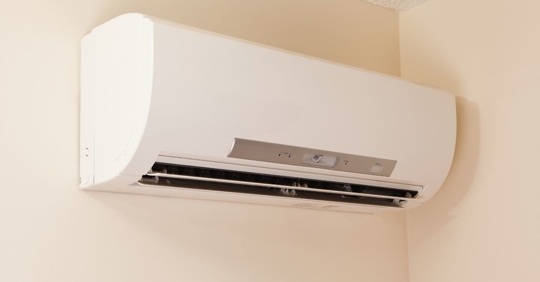
Heat pumps are one of the most efficient ways to heat and cool a home. Unlike traditional furnaces that burn fuel or electric systems that generate heat directly, heat pumps work by transferring heat from one area to another. In the winter, they pull warmth from the air, ground, or nearby water sources and move it inside. In the summer, the process reverses, expelling heat from your home to keep it cool.
This process is similar to how a refrigerator works but on a larger scale. Because they move existing heat instead of creating it, heat pumps can achieve efficiency levels up to three times higher than electric resistance systems. This makes them especially appealing for homeowners who want to lower energy bills while maintaining steady indoor comfort throughout the year.
Beyond efficiency, heat pumps also offer clean operation. They don’t burn fossil fuels, which reduces greenhouse gas emissions and improves indoor air quality. For homeowners looking to shrink their carbon footprint, a heat pump is one of the most sustainable HVAC options available today.
Types of Heat Pumps
Not all heat pumps are created equal—choosing the right type depends on your property layout, local climate, and desired efficiency level.
Common heat pump types include:
- Air-source heat pumps: The most common and cost-effective option, air-source heat pumps transfer heat between your home and the outside air. They perform well in moderate climates like Las Vegas, where winter temperatures are mild.
- Geothermal (ground-source) heat pumps: These systems draw heat from the consistent temperature underground, offering extremely high efficiency and long lifespans. Although installation costs are higher, the long-term energy savings often outweigh the initial investment.
- Water-source heat pumps: Designed for properties near lakes, ponds, or aquifers, these units transfer heat to and from the water. They provide consistent heating and cooling performance but require a nearby water source to function efficiently.
When choosing a system, it’s important to balance cost, efficiency, and maintenance needs. A qualified HVAC professional can assess your property and help determine which type aligns best with your comfort goals and budget.
Advantages and Disadvantages
Heat pumps offer numerous advantages, though they aren’t a perfect fit for every home.
Advantages:
- Significant energy savings compared to traditional systems
- Combined heating and cooling in one unit
- Reduced carbon emissions and cleaner operation
- Quieter and more consistent indoor comfort
Disadvantages:
- Higher upfront installation cost
- Reduced performance in freezing climates
- Professional installation required for optimal results
For homeowners in the Las Vegas area, the mild winter temperatures mean most heat pumps operate efficiently year-round, making them a reliable and cost-effective choice.
Assessing Property Compatibility
Climate Considerations
Climate is one of the biggest factors in determining how well a heat pump will perform. In regions with frigid winters, air-source systems can struggle to extract enough heat from cold air. Fortunately, Las Vegas’s desert climate—with mild winters and hot summers—provides an ideal environment for air-source systems.
Homeowners can expect their systems to run efficiently most of the year, providing affordable comfort during both heating and cooling seasons. In rare cold spells, a backup heating source (such as electric resistance coils or a gas furnace) can ensure steady warmth without affecting long-term performance.
When evaluating your options, consider:
- Seasonal temperature extremes and average winter lows
- Humidity levels, which can affect indoor comfort and heat transfer
- Energy efficiency ratings, like SEER (cooling) and HSPF (heating)
Property Size and Layout
The size, shape, and design of your property also influence which heat pump will work best.
Key factors include:
- Home size: Larger homes require higher-capacity systems or multiple indoor air handlers to distribute air evenly.
- Floor plan: Open layouts are easier to heat and cool evenly, while multi-story or sectioned homes may benefit from zoned systems.
- Insulation and windows: Poor insulation or large glass surfaces can increase load demands and reduce efficiency.
A professional load calculation ensures your heat pump is properly sized for your home—avoiding problems like short cycling, uneven temperatures, or excess wear on components.
Insulation and Existing Systems
Even the most advanced heat pump will underperform if your home isn’t well-insulated. Heat loss through walls, attics, and ducts makes the system work harder and reduces efficiency. Before installation, it’s wise to inspect and upgrade insulation, seal air leaks, and ensure ducts are properly insulated and sealed.
If you’re upgrading from an older HVAC system, consider how the new heat pump will integrate with existing components. In some cases, replacing old thermostats, air handlers, or ductwork may be necessary for the best performance.
Cost Implications and Incentives
Initial Investment vs. Long-Term Savings
While heat pumps generally cost more upfront than conventional systems, they quickly pay off through reduced energy bills. Air-source systems typically provide the best balance between price and savings, while geothermal systems deliver the greatest long-term efficiency gains.
Financial benefits include:
- Lower monthly energy use
- Longer equipment lifespan (up to 20 years or more with proper care)
- Minimal fuel costs due to all-electric operation
When comparing systems, look at lifetime operating costs, not just installation prices. Over 10–15 years, energy-efficient heat pumps can save thousands in utility expenses.
Available Incentives and Rebates
Many government and utility programs encourage homeowners to install energy-efficient systems.
Incentive opportunities include:
- Federal tax credits for qualifying ENERGY STAR® heat pumps
- Local or utility rebates that reduce upfront costs
- Seasonal manufacturer promotions that offer additional savings
Checking available programs before installation can significantly lower your overall investment. Your HVAC provider can help identify which rebates you qualify for and assist with paperwork to streamline the process.
Maintenance and Operating Costs
Heat pumps are relatively low-maintenance, but regular care ensures long-lasting performance.
Typical maintenance includes:
- Changing or cleaning air filters every 1–3 months
- Keeping the outdoor unit clear of leaves, dirt, and debris
- Scheduling professional tune-ups twice a year—once before cooling season and once before heating season
Because they don’t use combustion, heat pumps generally experience fewer breakdowns than gas systems. Regular service helps maintain peak efficiency and can extend system life by several years.
Installation and Maintenance Requirements
Professional Installation
Proper installation is critical to system efficiency.
A qualified HVAC technician will:
- Perform a detailed load calculation
- Select the correct size and type of unit
- Verify that electrical connections and refrigerant levels meet manufacturer standards
- Ensure all ductwork is properly sealed and balanced
Improper installation can reduce efficiency by up to 30%, leading to higher energy bills and premature wear. Investing in expert installation ensures reliable, trouble-free performance from day one.
Routine Maintenance
Even high-quality systems need regular attention to perform their best.
Routine care should include:
- Inspecting and cleaning indoor and outdoor coils
- Checking refrigerant charge and airflow
- Verifying thermostat calibration
- Testing defrost cycles and backup heating operation
Proactive maintenance reduces the risk of breakdowns, improves indoor comfort, and keeps energy costs under control.
Troubleshooting Common Issues
Minor issues can often be resolved with a few simple checks before calling a technician.
Quick troubleshooting tips:
- Make sure the thermostat is set correctly
- Check that circuit breakers are on and wiring is secure
- Ensure air vents and outdoor coils are unobstructed
- Listen for unusual sounds that might indicate a failing motor or fan blade
If problems persist, call a certified HVAC professional to diagnose the issue and prevent further damage.
Environmental and Lifestyle Considerations
Environmental Impact
Heat pumps offer one of the cleanest forms of home heating and cooling available today. By moving heat instead of burning fuel, they reduce carbon dioxide emissions and rely primarily on electricity—which can be sourced from renewable energy.
Many Las Vegas homeowners choose heat pumps not only for comfort and cost savings but also as a step toward a more sustainable lifestyle. The reduced environmental impact makes these systems an excellent choice for those looking to make greener home upgrades.
Lifestyle Suitability
A heat pump’s ability to maintain steady temperatures without large swings makes it ideal for families who spend lots of time at home or work remotely. The quiet operation and even airflow also create a more comfortable indoor environment than many traditional HVAC systems.
They’re also great for homeowners seeking flexibility. Modern systems can be paired with smart thermostats or zoning controls, allowing precise adjustments for different areas of the home.
Integration with Smart Home Technologies
Modern heat pumps easily connect with smart thermostats, allowing homeowners to control temperature, humidity, and fan speed from a phone or tablet. Smart systems can learn your schedule, automatically adjust settings to conserve energy, and send alerts when maintenance is due.
This technology makes heat pumps even more efficient, convenient, and compatible with the growing trend toward connected, automated homes.
Ready to Make the Switch?
Choosing a heat pump is an investment in comfort, efficiency, and sustainability. Whether you’re upgrading an old HVAC system or building a new home, the right heat pump can provide reliable heating and cooling for years to come.
At Hal Mechanical Air Conditioning & Heating, we proudly help Las Vegas homeowners repair, install, and maintain the perfect heat pump for their property. From system sizing to expert installation and year-round service, our team ensures your investment pays off in comfort and savings.
Contact Hal Mechanical Air Conditioning & Heating online or call (725) 215-3764 to learn more about energy-efficient heat pump options and find out which system is right for your home.